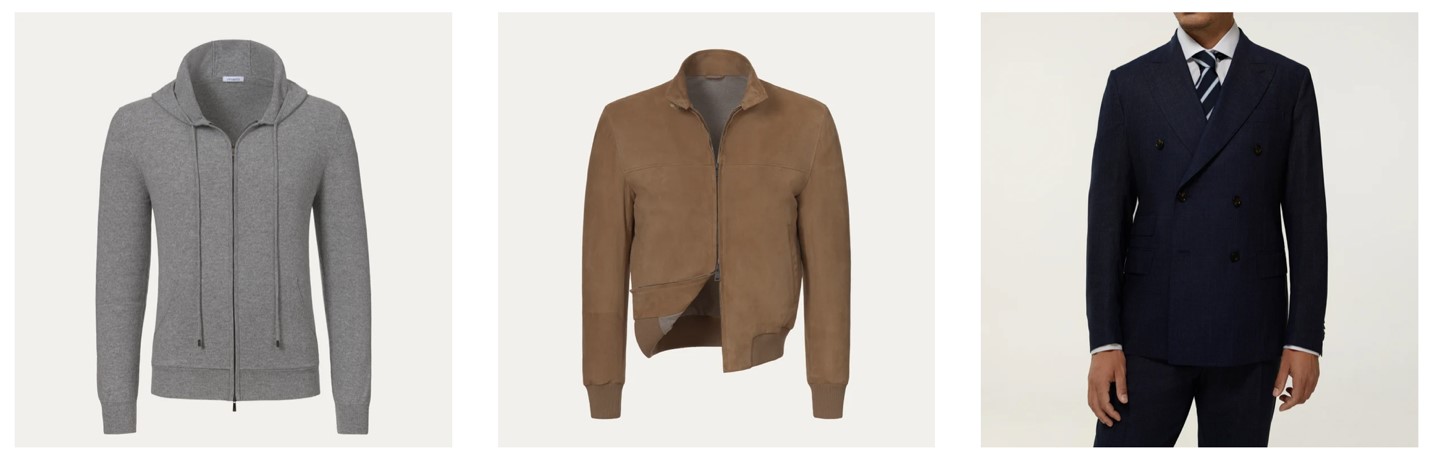

A wardrobe filled with expensive clothes is not necessarily a well-organized one. A man may own several beautifully tailored jackets, dozens of shirts, and an impressive collection of trousers yet struggle to put together an outfit that feels appropriate for a particular occasion. The problem is often a lack of coordination rather than a shortage of clothing. Building a functional wardrobe starts with understanding how individual garments relate to one another. Selecting luxury men’s clothing according to fit, fabric, versatility, and personal habits makes it possible to create more combinations with fewer purchases.
The foundation of a successful wardrobe is consistency. Clothing should reflect the wearer’s lifestyle, professional obligations, climate, and preferences rather than an abstract idea of elegance. Someone who spends most working days in a relaxed office has different needs from a lawyer who regularly attends formal meetings. A man living in a warm coastal region will also make different fabric choices from someone facing long, cold winters. Recognizing these practical differences helps prevent purchases that look attractive in isolation but rarely leave the wardrobe.
Versatility does not require dressing conservatively or avoiding distinctive pieces. A wardrobe can include unusual textures, rich colors, and expressive tailoring without becoming difficult to manage. What matters is having a reliable foundation that allows more individual garments to work naturally within the overall collection.
Start with the Clothes You Actually Wear
Before purchasing new pieces, it is worth examining what already receives regular use. The jackets, trousers, and shirts chosen repeatedly often reveal more about genuine preferences than a collection of saved fashion photographs. They show which silhouettes feel comfortable, what colors are easiest to combine, and which fabrics suit everyday activities. Equally revealing are garments that remain unworn despite their quality or appearance.
The next step is identifying the activities that clothing must accommodate. Business meetings, travel, social occasions, weekends, and formal events place different demands on a wardrobe. Rather than buying separate outfits for every situation, it is often more practical to select pieces that can move between several settings. A softly tailored navy jacket, for example, may complement gray wool trousers during the working week and dark denim at an informal dinner. Its usefulness depends on its fabric, construction, and level of formality.
A practical wardrobe usually benefits from several foundational garments.
- A versatile tailored jacket. Navy, charcoal, or a subdued brown can work with multiple trouser colors, particularly when the fabric has a moderate texture.
- Well-fitting wool trousers. Mid-gray or charcoal trousers provide a useful foundation for business and smart-casual combinations.
- Quality cotton shirts. White, pale blue, and restrained patterns offer variety without making coordination unnecessarily difficult.
- Refined knitwear. Fine merino wool or cashmere sweaters add warmth and texture while working comfortably beneath suitable jackets.
- Casual trousers or dark denim. Carefully chosen cuts help connect tailored clothing with more relaxed outfits.
- Seasonal outerwear. A coat or lightweight jacket should accommodate the layers normally worn underneath and suit local weather conditions.
This selection is not a universal shopping list. Some men need several suits, while others rarely encounter occasions requiring one. The proportions of a wardrobe should follow actual use rather than predetermined quantities. Buying fewer pieces that perform clear functions is generally more productive than assembling an impressive but impractical collection.
Choose Colors That Work Together
Color coordination has a substantial influence on wardrobe versatility. If every purchase introduces an unrelated shade, creating balanced outfits becomes increasingly difficult. A limited foundation of complementary colors reduces this problem without restricting personal expression. Navy, gray, brown, cream, and selected earthy tones provide numerous possibilities because they combine well with a wide range of fabrics and textures.
Navy is particularly adaptable in tailored clothing. A navy jacket can accompany gray wool trousers, beige cotton chinos, or certain shades of brown. Charcoal offers a more restrained appearance and works well with pale blue shirts, white cotton, and darker accessories. Brown tailoring introduces warmth and can complement cream knitwear, olive trousers, and muted blues. The choice of colors should also account for the wearer’s complexion and personal preferences rather than following rigid rules.
Texture becomes increasingly important when outfits rely on a restrained palette. A smooth navy worsted wool jacket creates a different impression from a navy hopsack or brushed wool version. The latter may appear less formal and combine more naturally with casual trousers. Similarly, a fine-gauge sweater and a textured knitted garment can create noticeably different outfits even when their colors are identical.
Patterns deserve more deliberate consideration. Fine stripes, subtle checks, and small woven designs can introduce visual interest without dominating an outfit. Combining multiple patterns is possible, but variation in scale helps prevent them from competing. A striped shirt generally works more comfortably with a jacket featuring a larger, less prominent check than with another pattern of similar size and contrast.
Shoes and accessories should reinforce the wardrobe’s overall color direction. Brown leather footwear offers several shades that coordinate with navy, gray, and earth-toned clothing, while black shoes remain useful for more formal combinations. Belts need not match shoes with mathematical precision, although noticeably conflicting leather colors can disrupt an otherwise coherent outfit. The objective is visual harmony rather than strict uniformity.
Match Fabrics to the Season and Occasion
A versatile wardrobe must account for changes in temperature, humidity, and daily activity. Fabric selection therefore matters as much as color or silhouette. Wool is often associated with cold weather, but its performance depends heavily on weave, weight, and construction. Lightweight worsted wool can be comfortable in relatively warm conditions, while heavier flannel and densely woven fabrics provide greater insulation.
Linen is valued for its breathability and its ability to handle warm weather, although its tendency to crease is part of its character. It is particularly suitable for relaxed tailoring, summer trousers, and casual shirts. Cotton offers numerous possibilities, from lightweight shirting to substantial twill trousers and structured outerwear. Each fabric should be selected with a clear understanding of how it behaves during wear and maintenance.
Cashmere and fine merino wool provide useful layering options in cooler conditions. A lightweight sweater can fit beneath an appropriately cut jacket without creating excessive bulk. Heavier knitwear is better suited to outer layers or relaxed outfits where additional volume is acceptable. The relationship between garment thickness and available room becomes important when building combinations for different seasons.
Fabric finish also influences formality. Smooth, finely woven textiles generally create a more polished appearance, while pronounced textures often lend themselves to relaxed outfits. A crisp business shirt may look out of place beneath a heavily textured casual jacket, just as a rugged cotton overshirt may not complement formal worsted trousers. Understanding these relationships makes it easier to build outfits with a consistent character.
Seasonal planning should reflect actual weather rather than calendar labels. Someone living in a mild climate may gain more value from lightweight jackets and adaptable layers than from a substantial collection of heavy coats. In colder regions, protective outerwear, warm knitwear, and fabrics that tolerate repeated winter use deserve greater consideration. A wardrobe becomes efficient when its contents correspond to the conditions in which they will be worn.
Combine Formal and Casual Clothing Thoughtfully
One of the most useful developments in men’s style is the flexibility of softly constructed tailoring. A jacket with a natural shoulder, limited internal structure, and a textured fabric may be suitable for both business-casual and informal occasions. Its relatively relaxed appearance allows it to work with tailored trousers, fine knitwear, and certain styles of denim. This flexibility makes it a practical addition for men who do not wear full suits every day.
Not every tailored jacket can perform this role. A structured suit jacket made from smooth, formal fabric may look unbalanced when paired with casual jeans. Its proportions, shoulder construction, and finish were generally designed to work with matching trousers. Separating suit components can occasionally succeed, but the result depends on the individual garment rather than a general rule that every jacket is interchangeable.
Trousers provide another opportunity to connect different levels of formality. Wool trousers with a comfortable cut can work with an open-collar shirt, a lightweight sweater, or a softly tailored jacket. Cotton chinos offer a more relaxed alternative, particularly when their design avoids excessive pockets and decorative details. Dark denim can also complement refined knitwear and certain jackets when the fit and finish are appropriate.
Footwear often determines whether these combinations feel convincing. Polished leather shoes reinforce formality, while suede loafers, refined boots, and understated casual footwear can soften an outfit. Extremely athletic designs or heavily embellished shoes may be harder to integrate with tailored garments. The most useful footwear choices support several combinations without requiring a completely different wardrobe around them.
Proportion is equally important. A long, structured jacket can appear awkward over very narrow trousers, while an oversized sweater may overwhelm sharply tailored clothing. Coordinating garments involves examining how their volumes, lengths, and textures interact. Individual pieces may be attractive, yet the overall outfit succeeds only when those relationships feel balanced.
Invest in Fit Before Expanding the Collection
The usefulness of a garment depends on whether it fits comfortably and flatters the wearer’s proportions. An expensive jacket with an unsuitable shoulder width will rarely become a favorite, regardless of its fabric or manufacturer. Likewise, trousers that restrict movement may remain unused even when they look excellent while standing. Fit should therefore be assessed before color, decorative details, or brand reputation.
Trying clothing in different positions reveals problems that a stationary mirror inspection may miss. A jacket should accommodate ordinary arm movement without excessive pulling. Trousers should remain comfortable when sitting, and shirts should provide sufficient space across the chest and upper back. Minor adjustments are common, but major alterations can be expensive and may compromise the original design.
Consistency in fit also improves coordination. When jackets, trousers, and knitwear follow compatible proportions, combining them becomes easier. This does not mean every garment must have the same silhouette. A relaxed weekend outfit may use more generous shapes than business clothing, but the pieces within each combination should relate comfortably to one another.
It is worth finding a reliable alterations specialist for adjustments that improve otherwise suitable garments. Hemming trousers, correcting sleeve length, or making modest waist adjustments can significantly improve appearance and comfort. However, selecting the right size and fundamental construction remains essential. Tailoring works best when refining a good initial fit rather than attempting to rebuild an unsuitable garment.
Buy Less Frequently and Choose More Carefully
Luxury clothing is often justified through durability, but long service life does not automatically make a purchase worthwhile. A beautifully constructed coat that is worn twice a year may represent poor value compared with a more modestly priced jacket used every week. Frequency of wear, comfort, versatility, and maintenance costs provide a more useful basis for evaluating purchases than price alone.
Before adding an item, consider how it will work with the existing wardrobe. A new jacket should ideally complement several shirts and trousers already owned. A pair of shoes should suit more than one outfit unless it serves a specific formal purpose. If a purchase requires several additional garments to make it wearable, its actual cost may be considerably higher than the price displayed.
Care requirements should also influence the decision. Fine fabrics sometimes demand careful washing, occasional professional cleaning, or special storage. Wool jackets benefit from appropriate brushing and airing, while knitwear generally needs folding rather than prolonged hanging. Following care labels and allowing garments to recover between wears can help preserve their appearance.
Replacing worn essentials is different from accumulating unnecessary alternatives. A shirt with deteriorating collars or a pair of trousers that no longer fits may need replacement. Buying another nearly identical garment simply because it is discounted deserves closer consideration. A lower purchase price is of little benefit when the item remains unused.
A useful wardrobe can evolve gradually. Changes in professional responsibilities, body measurements, climate, and personal taste may create legitimate reasons to reconsider previous choices. Regular evaluation helps identify which garments continue to serve their purpose and which no longer belong in the collection.
A Wardrobe That Works Without Constant Reinvention
A versatile luxury wardrobe is not defined by how many expensive garments it contains. Its strength lies in the relationship between carefully selected pieces, their suitability for everyday life, and the ease with which they can be combined. Good materials, dependable construction, and appropriate fit provide the foundation, while coordinated colors and thoughtful fabric choices expand the possibilities.
Personal style develops more convincingly through consistent decisions than through frequent changes of direction. A man who understands his preferred jacket shape, trouser proportions, colors, and fabrics can evaluate new purchases with greater confidence. Distinctive pieces still have a place, but they become additions to an established wardrobe rather than substitutes for a missing foundation.
The practical result is a collection in which getting dressed requires less effort without sacrificing individuality. Clothing works across different occasions, unnecessary purchases become easier to avoid, and quality garments receive the regular use they deserve. The value of luxury menswear is ultimately realized through how comfortably, confidently, and frequently it can be worn.